
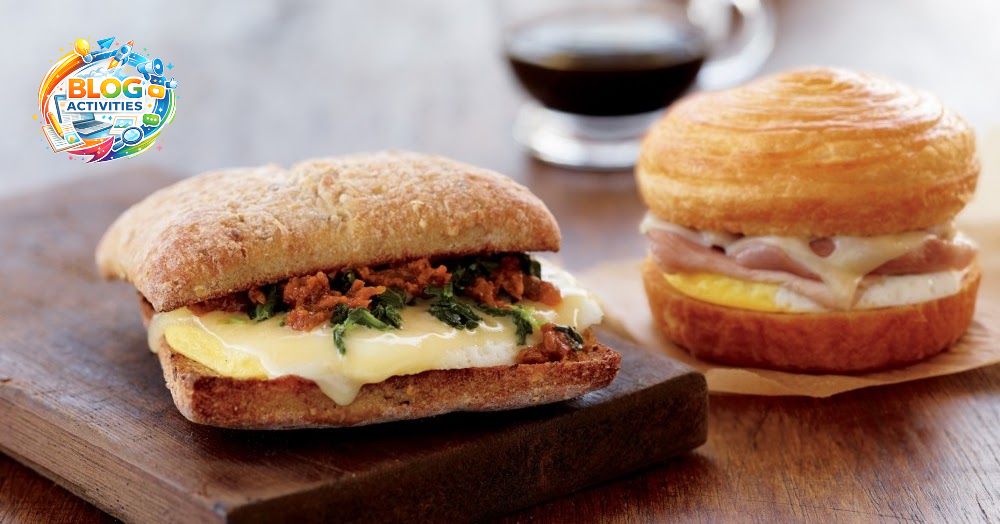
Finding a reliable Starbucks gluten free breakfast can feel like navigating a maze. You walk in wanting something quick, satisfying, and safe, only to face a menu full of pastries, sandwiches, and shared prep areas that raise real concerns. The truth is more nuanced than a simple yes or no. Starbucks does not run a dedicated gluten-free kitchen, and the company itself states that unpackaged items cannot be guaranteed free of allergens because of shared equipment. Still, some choices carry far lower risk than others. This guide breaks down what is actually safer based on ingredient lists, preparation realities, and practical experience from people who manage gluten issues every day.
Understanding the risks starts with how Starbucks operates. Baristas handle a high volume of orders. Tongs, display cases, steam pitchers, and counter surfaces get used across many items. Even if a food contains no wheat, barley, or rye in its ingredients, contact with gluten-containing products can introduce traces. For someone with celiac disease, those traces matter. For others with milder sensitivity, the threshold may feel different. The safest approach is to treat every unpackaged item as carrying some level of risk and prioritize sealed, labeled products whenever possible.
BIO
| Label | Information |
|---|---|
| Main Topic | Starbucks gluten free breakfast safety |
| Kitchen Status | Not a certified gluten-free kitchen |
| Official Policy | Cannot guarantee allergen-free for unpackaged items |
| Highest Risk Factor | Shared tongs, cases, and prep surfaces |
| Safest Choices | Sealed packaged snacks with gluten-free labels |
| Popular Packaged Item | Marshmallow Dream Bar |
| Egg Bites Status | No gluten ingredients, moderate cross-contact risk |
| Oatmeal Notes | Plain base is free of gluten ingredients |
| Items to Avoid | Bakery goods, sandwiches, and wraps |
| Best Ordering Tip | Request clean tongs and gloves clearly |
| Ideal For | People managing gluten sensitivity or celiac |
| Key Limitation | Availability of packaged items varies by store |
| Practical Advice | Always check current labels before eating |
Packaged and sealed items stand out as the most reliable category for a Starbucks gluten free breakfast. These products arrive pre-wrapped from the manufacturer and sit in sealed packaging until you open them. The Marshmallow Dream Bar is one of the most consistent finds. It carries a gluten-free label and has become a go-to for many people who need something sweet alongside their coffee. KIND bars appear frequently as well, along with certain nut packs, string cheese, and fruit pouches. Availability shifts by location and season, so checking the display case or asking a barista what is currently stocked is always smart. Because you can read the label yourself, these options give the clearest information and the lowest chance of unexpected exposure.
Egg bites occupy a middle ground that many people find workable. The Bacon and Gruyère version, the Egg White and Roasted Red Pepper version, and similar variations list no gluten-containing ingredients. They are made primarily from eggs, cheese, and vegetables. Starbucks describes them as free of added gluten, yet they are not certified gluten-free. The risk comes from shared tongs and the display case where they sit near baked goods. Some customers with celiac disease report eating them without issues after requesting clean tongs and a fresh pair of gloves. Others prefer to skip them entirely. If you decide to try egg bites, speaking up clearly about your needs improves the odds of careful handling. Potato, cheddar, and chive bakes fall into a similar category when available.
Oatmeal presents another option that requires careful thought. The rolled and steel-cut oatmeal base itself does not list gluten ingredients. The challenge lies in the toppings and the way it is prepared. Shared spoons and possible contact with other breakfast items raise the contamination potential. Some locations may use oats that are not certified gluten-free, which can matter for highly sensitive individuals. Ordering the oatmeal plain and skipping the dried fruit or nut toppings reduces variables. Pairing it with a simple drink keeps the meal straightforward. Yogurt-based parfaits or berry options sometimes appear on the menu and follow a similar logic: the base may be free of gluten ingredients, but preparation and toppings introduce uncertainty.
Drinks form an important part of any Starbucks gluten free breakfast. Plain brewed coffee, Americanos, and espresso are among the lowest-risk choices because they involve minimal handling and no shared blended equipment. Simple lattes or cappuccinos made with regular or alternative milks can work when the barista uses a clean pitcher. Plain teas are generally straightforward. Higher-risk drinks include anything blended in the Frappuccino machines or topped with java chips and cookie crumbles, both of which contain gluten. Even some syrups and seasonal toppings have raised questions over the years. Sticking to the simplest preparations keeps the focus on safety.
Ordering technique makes a noticeable difference. A clear, calm statement works best. Something like “I have celiac disease and need to avoid gluten cross-contact. Could you please use clean tongs and a fresh pair of gloves for the egg bites?” or “I’m looking for sealed gluten-free packaged items only” sets the expectation without creating confusion. Using the Starbucks app or website ahead of time to review current ingredient lists helps you arrive prepared. Quieter times of day often mean staff have more bandwidth to accommodate special requests. Carrying a backup snack is still wise, especially if a particular location is out of the safer options.
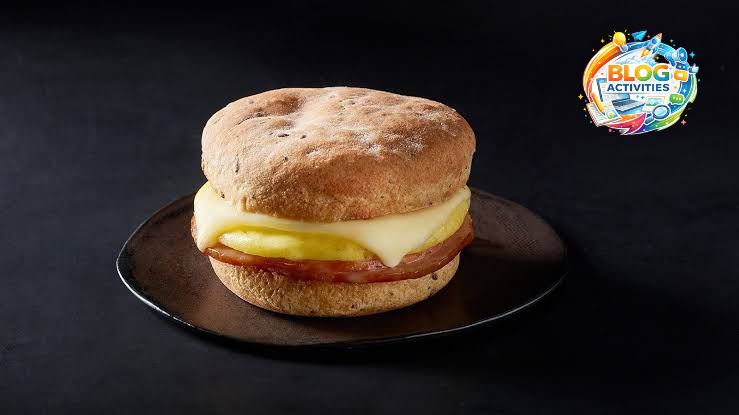
Certain items should be avoided completely. All bakery products, breakfast sandwiches, wraps, and pastries contain wheat as a primary ingredient. Anything with java chips, cookie crumbles, or heavy toppings that include wheat flour belongs on the skip list. Even some items that look plain can carry risk if they sit in the same case or are handled with the same tools as gluten-containing foods. Reading the allergen statement that appears with most menu items reinforces this point: Starbucks cannot guarantee that unpackaged products are free of allergens.
Sensitivity level should guide personal decisions. People with celiac disease or strong reactions generally do best when they limit themselves to sealed packaged foods and the simplest drinks. Those with non-celiac gluten sensitivity sometimes find that egg bites or plain oatmeal work for them when ordered with extra care. There is no universal rule that fits everyone. Tracking your own responses over time provides the most useful data. Checking labels every visit remains important because formulations and suppliers can change.
Common questions come up often. Are the egg bites gluten-free? They contain no gluten ingredients according to available lists, yet they are prepared in a shared environment and are not certified. Is the oatmeal safe? The base is free of listed gluten ingredients, but toppings and preparation introduce variables that many choose to minimize. Does Starbucks offer any certified gluten-free breakfast items? The most consistent certified or clearly labeled options are the sealed packaged snacks rather than the prepared hot foods. Can baristas reliably handle allergy requests? Many try their best, especially when the request is specific and polite, yet the volume of a busy store means results can vary. What about alternative milks such as oat milk? Some brands used by Starbucks are certified gluten-free, but confirming the current supplier with the barista is the only way to be sure on a given day.
The landscape has shifted over the years. Starbucks once offered a gluten-free breakfast sandwich that later disappeared. Promises of expanded gluten-free food options surface periodically, yet the core reality of shared equipment has stayed consistent. Relying on current ingredient information and careful ordering remains more practical than waiting for a fully dedicated gluten-free menu that may never arrive.
Putting it all together, a workable Starbucks gluten free breakfast is possible when expectations stay realistic. Start with sealed packaged items for the highest confidence. Consider egg bites or plain oatmeal only if your sensitivity level allows and you communicate clearly. Keep drinks simple. Avoid the bakery case entirely. These habits turn a potentially stressful stop into a manageable one. The goal is not perfection in an imperfect environment. The goal is making informed choices that support how you feel for the rest of the day.
Many people successfully navigate Starbucks this way on a regular basis. They treat the store as a place for coffee first and food second, leaning on the options that carry the least uncertainty. Checking the case for new packaged arrivals, asking questions without hesitation, and knowing when to walk away if nothing suitable is available all form part of a practical routine. Over time the process becomes quicker and less stressful.
The information here reflects ingredient patterns, company statements about shared equipment, and consistent reports from people who manage gluten restrictions. Menus and formulations can change, so verifying details at the time of your visit is always the final step. With that habit in place, the question of what is actually safe becomes clearer and more manageable. A Starbucks gluten free breakfast does not have to be complicated. It simply requires knowing where the real risks sit and choosing accordingly.
Lee Mack Wife Claire Makel: How They Met and Built a Life
FAQs
Are Starbucks egg bites safe for a gluten free breakfast?
Starbucks egg bites contain no gluten ingredients, but they are prepared with shared equipment. Many people with mild sensitivity tolerate them after requesting clean tongs. Those with celiac disease often prefer to stick with sealed packaged items instead.
Is the oatmeal at Starbucks gluten free?
The plain rolled and steel-cut oatmeal base lists no gluten ingredients. Toppings and shared utensils add risk, so ordering it plain and confirming preparation steps helps reduce exposure.
What are the safest Starbucks gluten free breakfast options?
Sealed packaged items like the Marshmallow Dream Bar, KIND bars, and string cheese carry the lowest risk. These arrive pre-wrapped and let you check the label yourself before eating.
Can I trust Starbucks baristas with gluten allergy requests?
Most baristas try to accommodate clear requests for clean tools or gloves. Results can vary during busy times, so speaking up politely and early improves the chances of careful handling.
Does Starbucks offer any certified gluten free breakfast items?
True certified options are limited mainly to certain sealed snacks. Prepared foods like egg bites and oatmeal are not certified, even when free of gluten ingredients.