
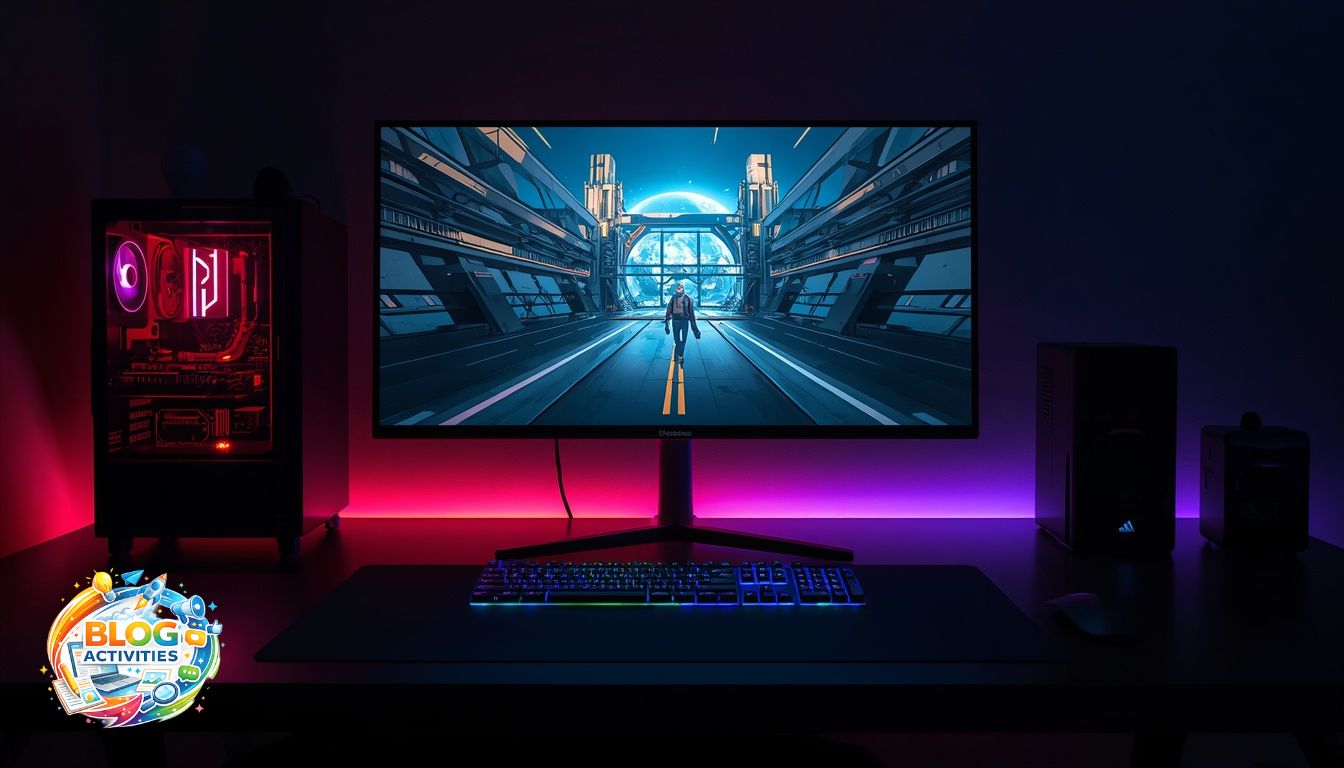
The gaming industry is changing quickly. New technology, different ways of playing, evolving player expectations, and changing business models are influencing how games are created and enjoyed. The phrase gaming trends uggworldtech can be used as a useful way to explore these developments, particularly for readers interested in where gaming technology and player experiences are heading.
Gaming is no longer limited to traditional consoles or desktop computers. Mobile devices have become a major gaming platform, PC gaming continues to expand, and console experiences are becoming more connected with online services. At the same time, artificial intelligence, cloud technology, virtual reality, cross-platform play, and creator-driven content are creating new possibilities.
Newzoo’s 2025 research estimated 3.6 billion players worldwide and projected the global games market at $188.8 billion in revenue for the year. Its later 2026 analysis reported that the market actually reached $201.6 billion in 2025, illustrating how quickly market estimates can change as new data becomes available.
Understanding these trends helps explain not only what is popular today but also why developers are changing the way games are designed, launched, updated, and marketed.
BIO
| Label | Information |
|---|---|
| Topic | Gaming Trends Uggworldtech |
| Category | Gaming and Technology |
| Main Focus | Modern gaming developments |
| Key Trend | Artificial intelligence |
| Gaming Access | Cloud gaming |
| Popular Platform | Mobile gaming |
| Immersive Tech | VR and AR |
| Multiplayer | Social online gaming |
| Cross-Platform | Gaming across multiple devices |
| Competitive Gaming | Esports |
| Content | Streaming and game creators |
| Future Focus | Connected gaming experiences |
Understanding Gaming Trends Uggworldtech
Gaming trends are broader than individual popular games. A trend can involve technology, player behavior, game design, business models, hardware, online communities, or the way players discover new experiences.
The gaming trends uggworldtech topic is particularly useful when viewed as a collection of developments rather than a single technology. Modern gaming is increasingly connected. Players may use several devices, communicate with friends online, watch gaming content, participate in communities, and move between different types of games.
Another important change is that gaming has become a global entertainment industry. Newzoo estimated that mobile, PC, and console gaming together represented a worldwide audience of billions of players, with mobile accounting for the largest player base.
This scale gives developers more opportunities, but it also makes competition stronger. Players have thousands of games to choose from, so quality, accessibility, community features, and long-term engagement are increasingly important.
AI Is Changing Game Development
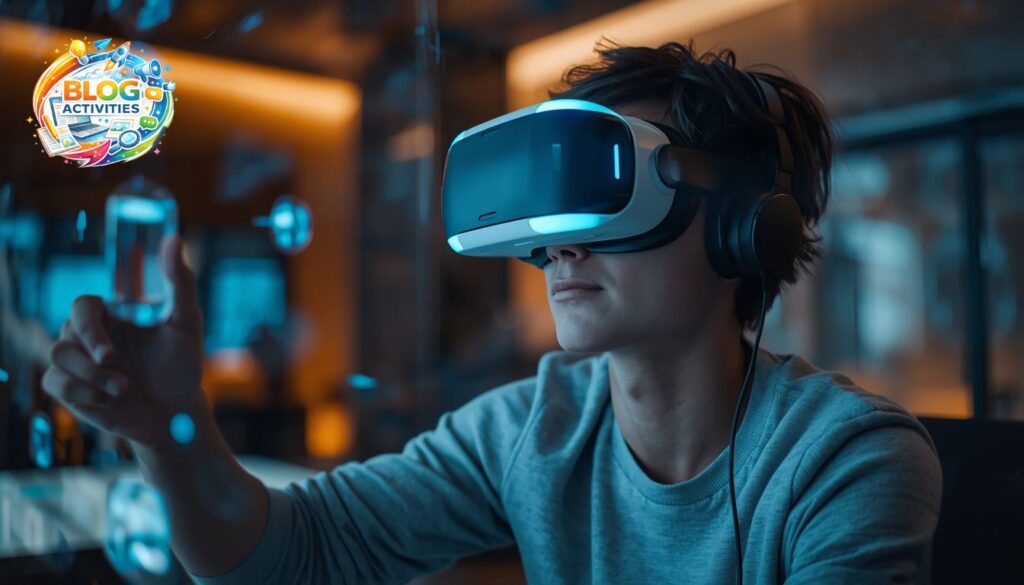
Artificial intelligence is one of the most discussed technologies in gaming. Its role extends beyond generating visual assets or assisting developers. AI can potentially support testing, animation, dialogue systems, procedural content, player behavior analysis, and other parts of development.
One interesting application is the creation of more responsive non-player characters. Traditional NPCs generally follow predetermined rules. More advanced systems can potentially allow characters to react to a wider range of player actions while maintaining the game’s design boundaries.
AI can also assist development teams with repetitive tasks. Testing large games, identifying certain bugs, organizing assets, and analyzing gameplay data can require considerable time. Automated tools may help developers handle some of these tasks more efficiently.
However, AI does not remove the need for human creativity. Game design depends on storytelling, pacing, artistic direction, sound, level design, and an understanding of what makes an experience enjoyable. Human developers remain important in deciding how technology should actually be used.
For players, the most meaningful AI developments are likely to be the ones that improve gameplay rather than simply adding AI as a feature.
Cloud Gaming Is Expanding Access
Cloud gaming changes the relationship between games and hardware. Instead of requiring a powerful local computer to perform all the game’s processing, cloud-based services can handle much of the workload remotely and stream the result to a compatible device.
This approach can make demanding games more accessible to people who do not own expensive gaming hardware. It also creates flexibility for players who want to move between different devices.
The biggest challenge is connectivity. A stable and sufficiently fast internet connection is important because gameplay depends on data traveling between the player’s device and remote servers. Latency can be particularly noticeable in competitive games where quick reactions matter.
Cloud gaming is therefore not a replacement for every traditional gaming setup. Instead, it represents another way of accessing games and fits into the wider movement toward connected gaming ecosystems.
Mobile Gaming Keeps Growing
Mobile gaming has become one of the central parts of the global games industry. Smartphones are widely available, and modern mobile devices can run experiences that would once have required dedicated gaming hardware.
Newzoo’s 2025 estimates placed mobile gaming at $103 billion in revenue, representing around 55% of the total games market at that time. The same research estimated approximately 3.0 billion mobile players.
These figures explain why developers continue to invest heavily in mobile experiences.
Mobile games also benefit from convenience. Players can access short sessions while traveling, during breaks, or at home. At the same time, modern smartphones support longer and more complex experiences.
The challenge for developers is keeping players interested in a crowded marketplace. A successful mobile game needs more than attractive graphics. Good controls, sensible progression, enjoyable gameplay, and meaningful updates can all influence whether players return.
VR and AR Create More Immersive Experiences
Virtual reality and augmented reality continue to influence ideas about interactive entertainment. VR places players inside a digitally created environment, while AR combines digital elements with the physical world.
Virtual reality can make games feel more immersive because players interact with environments from a first-person perspective. Motion controls can also create a stronger physical connection between the player and the game.
Augmented reality takes a different approach. Rather than replacing the surrounding environment, it can add digital information or objects to it.
Both technologies still face challenges involving hardware cost, comfort, accessibility, software availability, and long-term consumer interest. Nevertheless, they remain important areas to watch because they offer gaming experiences that conventional screens cannot fully reproduce.
Multiplayer Gaming Is More Social
Gaming has increasingly become a social activity. Multiplayer games allow friends and communities to communicate, cooperate, compete, and share experiences even when they are physically far apart.
Social features can be just as important as gameplay mechanics. Voice communication, team systems, shared events, community-created content, and online groups can give players reasons to return.
This is also connected to the growth of gaming communities outside the games themselves. Players may discuss strategies, share clips, watch streams, or follow creators who specialize in particular titles.
For developers, this means that a game can become an ongoing community rather than simply a product that is purchased and completed.
Cross-Platform Play Is Becoming Important
Players increasingly expect games to work across different devices and platforms. Cross-platform play allows people using supported systems to play together rather than being separated by hardware.
This can make multiplayer communities larger and reduce one of the traditional barriers between gaming platforms.
Cross-platform development also presents technical challenges. Developers have to account for different hardware capabilities, control methods, performance levels, and platform requirements.
Nevertheless, the broader movement is clear: gaming ecosystems are becoming more connected. Newzoo has specifically highlighted how the boundaries between major gaming ecosystems are becoming less distinct as players use multiple platforms.
For players, the practical benefit is simple: more flexibility in how and where they play.
Esports Continues to Influence Gaming
Competitive gaming has developed into a major part of gaming culture. Esports combines organized competition with streaming, entertainment, communities, and professional events.
Competitive games can encourage players to develop skills, understand game mechanics, and follow tournaments or professional players. Spectators can also become part of the gaming community without actively playing the same title.
The influence of esports reaches beyond tournaments. Competitive features are increasingly incorporated into mainstream games through ranked modes, seasonal competitions, leaderboards, and special events.
This trend demonstrates how gaming can function simultaneously as entertainment, competition, and social participation.
Personalization Matters More
Players do not all want the same experience. Some prefer competitive matches, others enjoy exploration, storytelling, creative building, or relaxed gameplay.
Modern games are increasingly designed to recognize these differences. Customization and personalization can give players greater control over their experiences.
Character customization is one familiar example. Players may select appearances, equipment, abilities, or other options that make their experience feel more personal.
Personalization can also involve recommendations and game content. Systems can analyze player behavior to suggest relevant content or adjust certain experiences.
The important balance is ensuring that personalization remains useful without making the experience feel intrusive or overly complicated.
Game Streaming and Content Creation
Gaming and online video have become closely connected. Players frequently discover games through creators, livestreams, short videos, reviews, and community discussions.
A game can therefore gain attention before a person ever downloads or purchases it.
Content creators also influence gaming culture. They can introduce new games, explain mechanics, share experiences, and build communities around specific genres or titles.
This has changed how developers think about game launches. A successful launch increasingly involves not only the game itself but also the surrounding conversation.
Newzoo’s research into gaming ecosystems has also emphasized discoverability as an important challenge, particularly on PC storefronts where players have many games competing for attention.
Player Discovery Is Getting Harder
The growing number of games creates an interesting problem: players have more choice, but finding something they genuinely enjoy can become harder.
Newzoo reported that the number of games people play on platforms such as Steam and Xbox has been declining, reflecting a more fragmented environment where players can spend significant time with established favorites.
This helps explain why developers increasingly focus on retention, community building, updates, and discoverability.
For players, it means that popular games are not necessarily the only games worth exploring. Independent developers and smaller studios can offer distinctive experiences that may be overlooked without effective discovery systems.
Premium Games Are Evolving
The gaming market is also seeing interesting changes in how players spend money.
Newzoo’s 2026 analysis reported that premium spending was an important contributor to PC and console growth in 2025, with premium games performing strongly across different price points.
This matters because the industry is not moving in only one direction. Free-to-play games, subscriptions, premium releases, downloadable content, and other models can exist alongside one another.
Players increasingly evaluate whether a game offers enough value for its price. Developers therefore need to consider the relationship between production costs, pricing, content, and long-term player expectations.
Long-Term Game Support
A modern game does not always end when it launches.
Many games receive updates, new content, seasonal events, balance changes, improvements, and additional features long after release. This approach can extend a game’s lifespan and keep communities active.
Newzoo has identified post-launch content and player retention as major areas of interest in its industry research.
However, long-term support works best when updates provide meaningful reasons for players to return. Simply releasing frequent changes does not guarantee that players will remain interested.
The strongest long-term communities generally develop around games that continue to provide enjoyable experiences while responding to player feedback.
Creator-Driven Gaming Is Growing
Another notable direction is the increasing importance of user-generated content.
Games and platforms that allow players to create experiences, objects, worlds, or other content can develop ecosystems that extend beyond what the original development team creates.
This model can produce an enormous variety of experiences. Players become participants and creators rather than simply consumers.
Newzoo has highlighted Roblox as an important example of a creator-driven gaming ecosystem and has identified user trends around such platforms as an important area of industry research.
The broader lesson is that gaming can become more open-ended when players are given meaningful creative tools.
What Gamers Should Watch Next
Several trends deserve attention as the industry continues developing.
AI will remain important, particularly in development tools, character behavior, testing, and personalized experiences.
Cloud gaming may continue improving as infrastructure and internet connectivity develop.
Mobile gaming will remain a major part of the market, although growth patterns differ by region and maturity.
Cross-platform ecosystems are likely to remain important as players expect greater flexibility between devices.
VR and AR may continue searching for broader mainstream adoption through better hardware and more compelling software.
Creator-driven platforms can also influence the future by allowing players to participate in content creation.
These developments should not be treated as guaranteed outcomes. Technology adoption depends on cost, quality, consumer interest, developer investment, and the practical experience offered to players.
The Future of Gaming
The future of gaming is unlikely to be defined by one device or one technology. Instead, it will probably involve several trends developing at the same time.
A player might use a smartphone for a quick gaming session, a PC for a detailed experience, and a console for multiplayer entertainment. They might watch a creator stream a game, join an online community, and later play with friends across different platforms.
That connected experience represents an important part of gaming trends uggworldtech.
The industry’s scale also suggests that gaming will continue to influence wider entertainment and technology. Newzoo’s current 2026 analysis expects the global games market to continue growing through 2028, although growth rates and platform performance will vary.
For players, the most useful approach is to focus on the actual experience behind each trend. New technology is interesting, but its value ultimately depends on whether it makes games more enjoyable, accessible, creative, social, or engaging.
Conclusion
Gaming trends uggworldtech reflects a gaming landscape that is becoming more connected, technologically advanced, and diverse. AI, cloud gaming, mobile experiences, VR, cross-platform play, esports, personalization, streaming, and creator-driven content are all contributing to this transformation.
At the same time, traditional gaming remains important. Premium PC and console releases continue to attract large audiences, while mobile remains the largest part of the global market by revenue and player reach according to Newzoo’s 2025 estimates.
The most interesting part of the future is not simply which technology becomes popular. It is how developers combine these technologies with strong game design and how players respond to them.
For anyone following gaming trends uggworldtech, keeping an eye on these developments provides a useful way to understand where gaming is heading and why the experiences available to players continue to change.
Hallie Aiono Baby: What Fans Want to Know About Her Life
FAQs
1. What are gaming trends uggworldtech?
Gaming trends uggworldtech covers major developments shaping modern gaming, including AI, cloud gaming, mobile games, VR, cross-platform play, and online communities.
2. How is AI changing the gaming industry?
AI is being used for areas such as game testing, development tools, NPC behavior, personalization, and content creation. Its role continues to develop as developers explore practical applications.
3. Why is cloud gaming becoming more popular?
Cloud gaming can let players access demanding games without relying entirely on powerful local hardware. A stable internet connection remains important for a smooth experience.
4. What gaming trends should players watch?
Players can watch developments in AI, mobile gaming, cloud technology, VR, cross-platform gaming, esports, and creator-driven content as these areas continue to evolve.
5. Will gaming continue to grow?
The global games market remains large and continues to evolve across mobile, PC, and console platforms. Future growth will depend on technology, player preferences, and new gaming experiences.