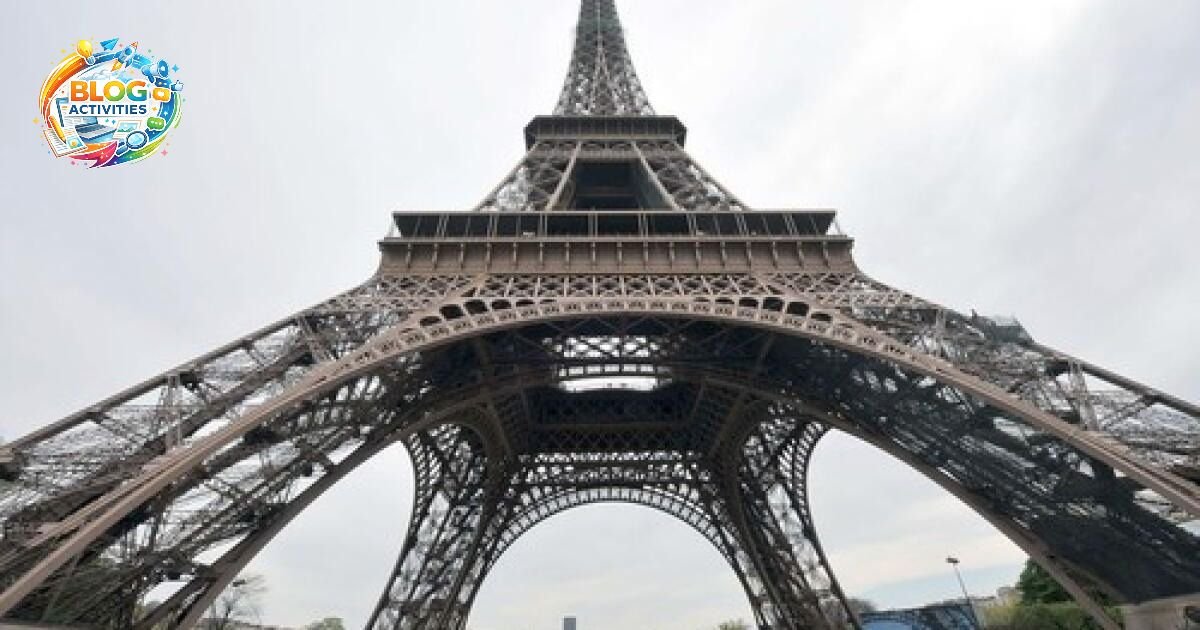
The phrase Eiffel Tower is widely recognized around the world as the name of one of the most famous landmarks in Paris, France. Millions of people associate it with romance, travel, beautiful architecture, and French culture. However, the phrase has another meaning in informal internet conversations that may surprise people who encounter it for the first time.
When someone searches for Eiffel Tower slang, they are usually trying to understand an adult expression used in jokes, memes, and online discussions. Unlike its traditional meaning, this slang expression refers to a specific sexual arrangement involving three people. Its name comes from a visual comparison with the recognizable shape of the famous Parisian structure.
The expression can sound confusing because the same words have two very different meanings. Understanding the surrounding conversation is therefore important before deciding what someone means.
This article explores the meaning of Eiffel Tower slang, its possible origins, how people use it online, and why it is considered inappropriate in certain situations. It also explains the difference between the slang expression and the actual historical monument.
BIO
| Label | Information |
|---|---|
| Topic Name | Eiffel Tower Slang |
| Category | Internet Slang |
| Type | Adult Expression |
| Language | English |
| Common Meaning | Sexual slang expression |
| Literal Meaning | Famous Paris landmark |
| Location | Paris, France (landmark) |
| Slang Origin | Exact origin unknown |
| First Online Records | Early 2000s |
| Main Association | Visual resemblance |
| Common Usage | Online jokes and memes |
| Audience | Primarily adults |
| Content Type | Informational |
What Does Eiffel Tower Slang Mean?
Eiffel Tower slang is an informal adult expression referring to a sexual position involving three or more participants. The traditional description involves one person positioned between two other participants, with the two outside participants joining hands or high-fiving above the middle person.
This arrangement creates a shape that people compare to the recognizable triangular outline of the Eiffel Tower. The visual similarity explains how the landmark’s name became associated with the expression.
The phrase is not an abbreviation, secret code, or official terminology. It is a figurative expression that developed through informal language and adult humor.
People may encounter it in online discussions, comedy, social media comments, or conversations involving sexual references. In these situations, understanding the context helps explain why the expression is being used.
It is also important to remember that the phrase does not always have an adult meaning. Someone discussing a holiday in France, visiting Paris, or studying architecture is most likely referring to the actual monument.
Where Did the Eiffel Tower Slang Term Originate?
The exact origin of Eiffel Tower slang is not clearly established. There is no widely accepted historical record identifying the first person who used the expression or the exact moment it entered everyday language.
However, the name’s connection to the sexual expression is relatively easy to understand. The arrangement described by the slang term creates a shape that resembles the structure of the famous Paris landmark.
The expression has appeared in online slang records dating back to the early 2000s. This suggests that it was already circulating on the internet long before modern platforms such as TikTok became popular.
User-submitted slang dictionaries provide some historical evidence of its early online use. However, these records should be interpreted carefully. An early dictionary entry can show that a phrase was being used at a particular time, but it cannot necessarily prove who invented it.
The expression may have circulated through private conversations, adult entertainment, online communities, and informal humor before becoming more widely recognized.
As with many slang expressions, its development was probably gradual rather than the result of one officially documented event.
Why Is Eiffel Tower Slang Popular on Social Media?
Social media has changed how people discover unfamiliar expressions. A word or phrase that was once limited to a particular group can quickly reach a much larger audience through videos, comments, jokes, and shared posts.
Eiffel Tower slang is an example of an expression that attracts attention because its familiar name has an unexpected adult meaning.
Several factors help explain why people search for it.
Unexpected meanings: Many people initially associate the phrase with Paris tourism. Discovering its alternative meaning creates curiosity and encourages them to look for an explanation.
Meme culture: Internet users often turn unusual expressions into jokes. The contrast between a famous tourist attraction and an adult reference provides material for humorous posts.
Online conversations: People sometimes encounter unfamiliar expressions in group chats, comments, and private messages. Searching for the meaning helps them understand what another person intended.
Curiosity about slang: Internet users regularly look up unfamiliar phrases to understand current conversations and avoid misunderstandings.
It is important not to assume that the expression originated on a particular social media platform. Its documented online history predates many of today’s popular applications.
Social media can make an existing expression more visible without being responsible for creating it.
How Is Eiffel Tower Slang Used in Conversations?
The expression is generally used in informal adult conversations rather than ordinary professional communication.
Its meaning depends on the surrounding words and the subject being discussed. For example, a conversation about sexual jokes, adult humor, or explicit memes may indicate that someone is using the slang definition.
In contrast, a discussion about French travel destinations, famous buildings, or European history usually refers to the actual Eiffel Tower.
Consider a few general examples:
- Adult humor: Someone may mention the expression as part of an inappropriate joke between adults.
- Internet discussions: A person may ask what the phrase means after seeing it in a comment or meme.
- Private messages: Friends may use it as an unexpected reference during an informal conversation.
- Educational discussions: Someone may discuss the expression while explaining modern slang or internet vocabulary.
These examples illustrate different contexts without suggesting that the phrase is appropriate for every audience.
The expression can also appear in slightly different grammatical forms. For example, some people use the phrase as a verb in informal adult language. However, these variations are not standard English vocabulary and may not be understood by everyone.
When encountering unfamiliar slang, it is better to consider the entire conversation instead of interpreting one expression separately.
Is Eiffel Tower Slang Inappropriate?
Yes, the slang meaning of Eiffel Tower is generally considered sexually explicit and unsuitable for many everyday situations.
Although the expression may appear in humorous online content, its underlying reference is adult in nature. This makes it important to understand the audience before using it.
For example, using the phrase in a conversation with close adult friends who understand the joke may be received differently from using it in a workplace meeting or family discussion.
There are several situations in which using this expression may create problems.
Professional environments: Workplace conversations should generally avoid sexually suggestive expressions because they can make colleagues uncomfortable.
Educational settings: Students should be careful about using adult slang in classrooms or academic discussions.
Family conversations: The expression may be inappropriate when speaking with children or relatives who do not expect adult humor.
Public social media posts: A joke that seems harmless among friends may be misunderstood by a wider audience.
The important point is that knowing a slang expression does not mean someone should use it in every situation.
Language changes depending on the audience, relationship, and environment. Choosing appropriate words is part of communicating respectfully.
Eiffel Tower Slang vs. the Actual Eiffel Tower
One of the most interesting things about this expression is the difference between its traditional meaning and its informal adult usage.
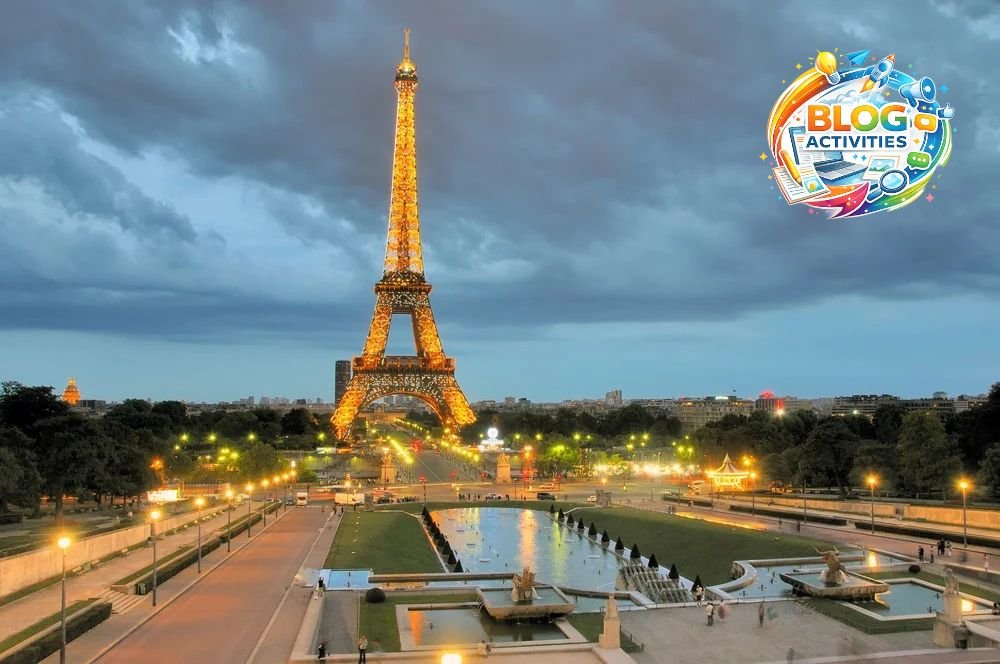
The actual Eiffel Tower is a major historical and architectural landmark located in Paris, France. It was constructed for the 1889 Exposition Universelle, also known as the World’s Fair, and became one of the most recognizable structures in the world.
It was designed by the engineering company associated with Gustave Eiffel and represents an important achievement in nineteenth-century engineering.
Today, the monument attracts visitors from different countries and remains an internationally recognized symbol of France.
The slang expression, on the other hand, has nothing to do with tourism, engineering, or the official history of the monument. It simply borrows the landmark’s recognizable shape for an informal adult reference.
The distinction can be understood through these examples:
| Aspect | Actual Eiffel Tower | Eiffel Tower Slang |
|---|---|---|
| Meaning | Famous Paris monument | Adult slang expression |
| Location | Paris, France | Informal language |
| Main context | Tourism and architecture | Adult humor |
| Origin | Historical construction | Informal slang development |
| Audience | General public | Primarily adults |
| Usage | Travel and education | Jokes and conversations |
Both meanings use the same words, but their purposes are completely different.
This is why context plays such an important role when interpreting the phrase.
Common Misunderstandings About Eiffel Tower Slang
Because the expression has both a literal and an informal meaning, people sometimes misunderstand it. A few common misconceptions are worth explaining.
It Always Refers to a Sexual Meaning
This is incorrect. The ordinary meaning remains the famous landmark in Paris. Most tourism, architecture, and historical references use the phrase in its traditional sense.
It Is an Acronym
Eiffel Tower is not an acronym. The words do not represent a series of hidden letters or a shortened sentence. The slang meaning comes from a visual comparison.
TikTok Invented the Expression
There is no reliable evidence supporting this claim. Online records show that the expression was already documented before TikTok existed.
It Is an Official English Expression
The adult meaning belongs to informal slang. It is not a standard technical or professional term and is not generally used in formal English communication.
Everyone Understands It the Same Way
Not necessarily. Some people know only the Paris landmark, while others recognize its alternative adult meaning. Different audiences may interpret the phrase differently.
Understanding these distinctions helps prevent unnecessary confusion when the expression appears in online content or everyday conversations.
How to Understand Eiffel Tower Slang in Text Messages
Text messages often contain abbreviations, jokes, informal expressions, and references that are not immediately obvious.
When someone uses Eiffel Tower in a message, the surrounding conversation can help identify the intended meaning.
For example, if someone is discussing a trip to France, hotel bookings, sightseeing, or famous European attractions, the phrase almost certainly refers to the landmark.
However, if the conversation involves adult jokes, sexual references, or explicit humor, the slang interpretation may be intended.
A few practical points can help:
- Read the complete message rather than focusing on one phrase.
- Consider the subject of the conversation.
- Think about whether the person is discussing travel or adult humor.
- Avoid assuming that every unusual expression has a hidden meaning.
- Ask for clarification if the intended meaning is genuinely unclear.
This approach is useful for understanding many other internet expressions as well.
Slang is often influenced by humor, culture, and the way people communicate online. As a result, the same phrase can have different interpretations depending on where and how it appears.
Why Do People Search for Eiffel Tower Slang?
People search for unfamiliar slang for several reasons. Sometimes they see an expression in a video or comment and simply want to know what it means.
In other cases, someone may hear a joke from a friend and decide to look up the reference before responding.
The unusual combination of a famous landmark and an adult expression makes this particular phrase especially likely to attract curiosity.
Another reason is the growing popularity of online language searches. People increasingly use search engines to understand unfamiliar words, abbreviations, memes, and expressions.
Searches involving Eiffel Tower slang may therefore reflect different questions, including:
- What does Eiffel Tower mean in adult slang?
- Why is the Paris landmark connected to this expression?
- Is the phrase appropriate for everyday conversations?
- Does it have the same meaning on social media?
- When did the expression first become popular?
Although these questions are related, they do not all have the same answer.
The most useful explanation is one that separates the established meaning from assumptions about its history or popularity.
Final Thoughts on Eiffel Tower Slang
The expression Eiffel Tower slang demonstrates how familiar words can develop unexpected meanings through informal communication and internet culture.
While the Eiffel Tower is internationally recognized as a beautiful architectural landmark in Paris, its name also has an adult slang meaning involving a sexual arrangement between multiple participants.
The expression is based on a visual comparison with the monument’s recognizable shape. Although its exact origin remains uncertain, online slang records show that the adult meaning was documented well before the rise of modern social media.
Understanding the difference between the two meanings is the easiest way to avoid confusion. In travel and historical discussions, the phrase normally refers to the famous French landmark. In adult conversations and suggestive jokes, it may carry the alternative slang meaning.
Ultimately, context, audience, and appropriate language matter. Knowing what an expression means allows people to understand conversations more clearly without necessarily using every slang term they encounter.
Crackstube: A Complete Guide to Features and Online Access
Frequently Asked Questions
What does Eiffel Tower mean in slang?
Eiffel Tower is an adult slang expression referring to a sexual arrangement involving three or more people. The name comes from a visual comparison with the shape of the famous Paris landmark.
Is Eiffel Tower slang sexual?
Yes. Its established slang meaning is sexual in nature. It is generally considered adult language and may be inappropriate in professional or family-friendly conversations.
Why is it called the Eiffel Tower?
The expression is named after the famous Paris monument because the arrangement associated with the slang term is said to resemble its triangular outline.
Where did Eiffel Tower slang originate?
The exact origin is unknown. However, online slang records document the expression in the early 2000s. There is no confirmed evidence identifying its original creator.
Is Eiffel Tower slang used on TikTok?
The expression can appear in social media jokes and adult discussions, including TikTok-related content. However, it existed online before TikTok became popular.
Is Eiffel Tower slang appropriate for children?
No. The slang meaning is sexually suggestive and is not suitable for children. The ordinary meaning of the Eiffel Tower, however, is simply the name of the famous monument in Paris.
Does Eiffel Tower slang have a different meaning in texting?
The meaning depends on the conversation. In messages about travel or France, it usually refers to the landmark. In sexually suggestive conversations, it may refer to the adult slang expression.
Is Eiffel Tower slang an abbreviation?
No. It is not an abbreviation or acronym. It is an informal expression that uses the name of a famous building as a visual reference.