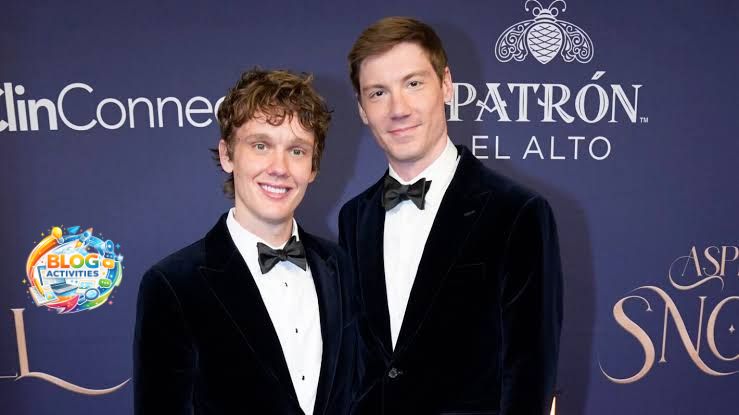
Fielder Jewett has become a familiar name in entertainment circles over the past several years. Many people first encountered him through his marriage to actor Hunter Doohan, known for roles in projects like the Netflix series Wednesday. Yet before that public attention, Jewett had already built a quiet but solid track record as an independent film producer. The question many readers now ask is straightforward: is Fielder Jewett still working in Hollywood?
The short answer is more layered than a simple yes or no. His professional path has shifted in a meaningful way, though the industry connections and past credits remain part of his story. This article examines his background, the films he helped bring to life, the move into law, and what his current role suggests about his place in the entertainment world today.
BIO
| Label | Information |
|---|---|
| Full Name | Fielder Douglas Jewett |
| Born | December 6, 1988 |
| Hometown | Chappaqua, New York |
| Education | Wesleyan University (Film Studies) |
| Law Degree | Loyola Law School, Los Angeles |
| Bar Admission | California State Bar, December 2024 |
| Current Role | Litigation Associate |
| Law Firm | O’Melveny & Myers, Los Angeles |
| Past Career | Independent Film Producer |
| Known Films | The Vanishing of Sidney Hall, Rosy, Mailman |
| Spouse | Hunter Doohan (married June 2022) |
| Industry Focus | Trademark and commercial litigation |
| Public Profile | Known for film work and marriage to actor Hunter Doohan |
Early Path into Film
Fielder Jewett grew up in Chappaqua, New York, and later studied film at Wesleyan University. After earning his degree, he moved to Los Angeles with the clear goal of working in production. Like many who enter the independent film scene, he started with hands-on roles that demanded long hours and a willingness to learn every part of the process.
He spent time at Super Crispy Entertainment, a production company known for supporting smaller, character-driven projects. From there he moved into freelance producing work. Those years gave him practical experience across development, financing, and the day-to-day realities of getting a film finished and into festivals or limited release.
Independent film is rarely glamorous. It requires persistence, relationship-building, and the ability to solve problems with limited resources. Jewett’s early credits reflect that environment. He contributed as an associate producer on Bleeding Heart in 2015 and Imperial Dreams. He produced the short film After You’ve Gone in 2016, a project that also involved Hunter Doohan in a producing capacity. Those early collaborations marked the beginning of both a professional and personal partnership.
Notable Producing Credits
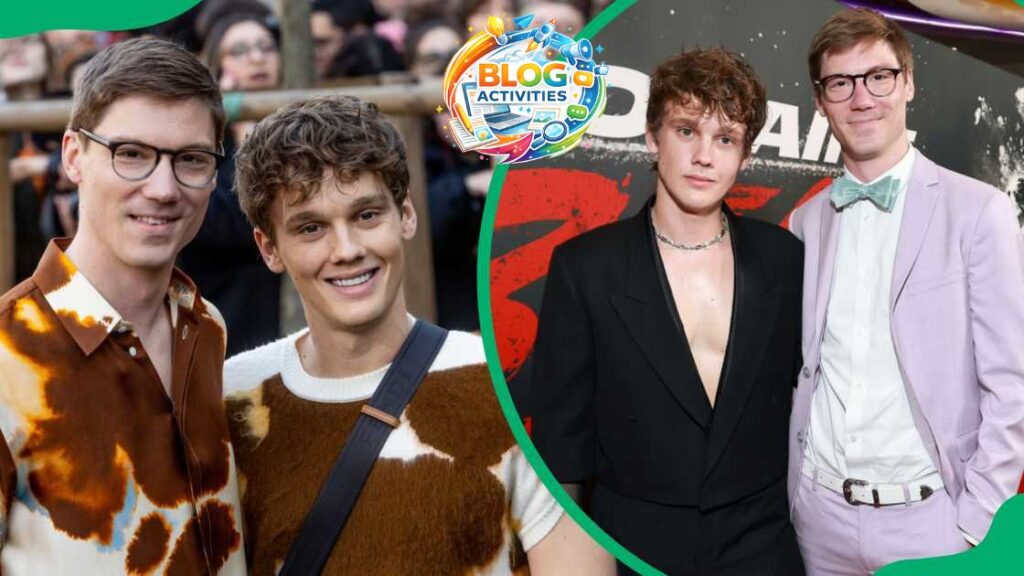
Fielder Jewett’s name appears on several independent features that received critical attention. He served as co-producer on The Vanishing of Sidney Hall, released in 2017. The film, directed by Shawn Christensen and starring Logan Lerman, explored themes of identity, fame, and disappearance. It played the festival circuit and found a modest theatrical and streaming audience.
The following year he worked as co-producer on Rosy, a romantic thriller featuring Nat Wolff and Stacy Martin. The project continued his pattern of supporting mid-budget independent stories rather than large studio franchises. In 2021 he produced the comedy Mailman, directed by Joseph Baken. The film follows a postal worker who becomes entangled in a strange mystery and dreams of becoming a writer. Jewett shared producing duties on that project, and it stands as one of his more recent credited works.
These films share a common thread. They are character-focused, modestly scaled, and made outside the major studio system. Jewett’s role was typically behind the camera, handling the practical and creative support that allows directors and writers to complete their vision. Public records and industry databases list him primarily in producing or associate producing capacities rather than as a writer or director.
By the early 2020s, the pace of new producing credits appears to have slowed. No major new feature announcements with his name attached have circulated widely in recent years. That shift coincides with a significant change in his professional focus.
The Move Toward Law
While working in film, Jewett decided to pursue a legal education. He enrolled at Loyola Law School in Los Angeles, a decision that combined his interest in the entertainment business with a desire for a more stable and structured career path. During law school he joined the Loyola Law Review, participated in OutLaw, and took part in the Entertainment and Sports Law Society. Those activities suggest he remained connected to the industry even as he prepared for a different professional track.
He completed his Juris Doctor and was admitted to the State Bar of California in December 2024. Shortly afterward he began working as a litigation associate at O’Melveny & Myers in the firm’s Los Angeles office. The firm’s professional biography notes his prior experience as a producer on independent films and describes his current contributions to cases that include trademark disputes and other commercial matters.
This transition is not unusual in Hollywood. Many people who begin in creative roles later move into the business or legal side of the industry. Entertainment law, intellectual property, and commercial litigation all require a deep understanding of how films and shows are made, financed, and distributed. Jewett’s production background gives him practical insight that pure courtroom lawyers may lack.
Current Professional Focus
As of 2026, Fielder Jewett’s primary full-time role is as a practicing attorney. Public records list him as an active licensee with the California State Bar, working out of O’Melveny’s downtown Los Angeles office. His day-to-day work involves legal research, drafting court documents, and supporting litigation strategy. While some of that work may involve entertainment-related clients or trademark issues that touch the creative industries, there is no public indication that he is actively developing or producing new film projects at the same volume he once did.
Media coverage continues to describe him as a film producer or Hollywood producer, especially in stories about Hunter Doohan. That label reflects his past credits and the couple’s shared industry life more than his current daily occupation. The distinction matters. Past achievement does not automatically equal ongoing active producing work.
At the same time, living and working in Los Angeles keeps him physically and socially close to the entertainment world. Professional networks formed during his producing years do not disappear overnight. Legal skills can also open doors to executive or advisory roles later in a career. For now, however, the evidence points to law as the center of his professional life.
Public Life and Industry Ties
Fielder Jewett and Hunter Doohan married in June 2022. Their relationship has remained relatively private by celebrity standards, though Doohan has spoken publicly about the importance of being open about his personal life. Articles and interviews about the couple routinely mention Jewett’s background in film production. That repeated association keeps his name visible in entertainment reporting even when new producing credits are not announced.
Social media and entertainment sites still refer to him as a producer. That perception is understandable given the available public information. Yet perception and primary occupation are not always the same. Jewett has not positioned himself as a high-profile public figure. He maintains a lower profile than many spouses of working actors, which aligns with a focus on legal work rather than continuous film development.
Balancing Past and Present
Career changes in Hollywood often look abrupt from the outside. One year someone is credited on multiple independent films; a few years later they appear in a different professional capacity. In reality those shifts usually involve years of planning, education, and gradual transition. Jewett’s path from freelance producer to law student to litigation associate fits that pattern.
His film credits remain part of the public record. The Vanishing of Sidney Hall, Rosy, Mailman, and the earlier projects still list his name. Those works represent real contributions to independent cinema. They also gave him firsthand knowledge of the challenges producers face—financing, distribution, talent management, and the constant pressure to deliver under tight constraints.
That experience can prove valuable in a legal practice that occasionally intersects with creative industries. Trademark disputes, contract issues, and intellectual property questions all benefit from someone who has sat on the production side of the table. Whether Jewett will eventually return to producing in a more active way remains an open question. At present, no public announcements point in that direction.
What the Record Shows
When readers ask whether Fielder Jewett is still working in Hollywood, the most accurate response draws a clear line between past and present. He built a credible independent producing career that spanned roughly a decade. He contributed to films that reached audiences and earned critical notice. He then made a deliberate move into the legal profession, completed law school, passed the bar, and joined a well-regarded firm in Los Angeles.
Hollywood is both a geographic place and a professional network. Jewett continues to live and work in Los Angeles. He remains connected through marriage and prior professional relationships. His current full-time occupation, however, is the practice of law. That reality does not diminish the earlier work. It simply reflects a different chapter.
Independent film itself has changed in the years since his most active producing period. Streaming platforms, shifting financing models, and evolving audience habits have altered the landscape for mid-budget projects. Many producers have adapted by moving into related fields—development, legal consulting, or corporate roles within larger companies. Jewett’s choice of litigation at a major firm represents one version of that adaptation.
Looking Ahead
Predicting any individual’s next career step is difficult. Public information shows Fielder Jewett focused on building a legal practice. He may continue in that direction for many years. He may also find opportunities that blend his production experience with legal expertise, perhaps in entertainment transactions or advisory work. Nothing in the available record rules those possibilities in or out.
What remains clear is the foundation he already built. The films he helped produce still exist. The relationships formed during those years still matter. And the decision to pursue law demonstrates a willingness to invest in long-term professional growth rather than remaining solely in the uncertain economics of independent film.
For readers who discovered his name through coverage of Hunter Doohan, the fuller picture includes both the producing credits and the current legal role. For those interested in how careers evolve inside and around the entertainment industry, Jewett’s path offers a useful example of deliberate change.
The question of whether he is still working in Hollywood therefore has a measured answer. He is no longer primarily employed as an active film producer in the way he once was. He does continue to live and practice law in the heart of the industry, carrying forward the knowledge and connections formed during his earlier years. That combination of past contribution and present professional focus defines his place in the story today.
Starbucks Gluten Free Breakfast: What’s Actually Safe?
FAQs
Is Fielder Jewett still producing films in Hollywood?
No major new producing credits have appeared in recent years. His last widely noted project was the 2021 comedy Mailman. He now works primarily as a litigation associate at a Los Angeles law firm.
What does Fielder Jewett do for a living now?
Fielder Jewett is a practicing attorney. He joined O’Melveny & Myers as a litigation associate after graduating from Loyola Law School and gaining admission to the California Bar in late 2024.
Did Fielder Jewett work on well-known movies?
Yes. He served as co-producer or associate producer on independent films including The Vanishing of Sidney Hall, Rosy, Bleeding Heart, and Mailman. These projects focused on character-driven stories rather than large studio releases.
Is Fielder Jewett still connected to the entertainment industry?
He lives and works in Los Angeles and remains publicly linked to Hollywood through his marriage to actor Hunter Doohan and his earlier producing career. His current full-time role, however, is in law.
Why did Fielder Jewett leave film producing?
Public information points to a deliberate career shift. After years in independent production, he pursued a law degree, passed the bar, and began practicing litigation, combining his industry knowledge with a more structured professional path.