

Tim Montgomerie has spent decades as one of Britain’s most influential political voices. From founding ConservativeHome to shaping policy ideas and advising at the highest levels, he built a reputation for sharp analysis and strong convictions. Yet behind the public commentary, he faced personal challenges that many people could relate to, especially during the isolating years of the COVID-19 pandemic. When discussions about Tim Montgomerie health problems arise, they often point to his honest admissions about mental health rather than any confirmed serious physical conditions.
This article explores what Montgomerie has shared publicly, the context of his struggles, and the broader lessons that emerge. It draws from his own statements in interviews and tributes, aiming to separate facts from speculation while respecting his privacy.
BIO
| Label | Information |
|---|---|
| Full Name | Timothy Montgomerie |
| Date of Birth | 24 July 1970 |
| Age | 55 (as of 2025) |
| Profession | Political commentator and writer |
| Known For | Founder of ConservativeHome |
| Major Roles | Co-founder, Centre for Social Justice |
| Political Affiliation | Reform UK (since 2024) |
| Previous Party | Conservative Party |
| Key Health Discussion | Mental health struggles during lockdown |
| Notable Support | Friendship with Sir David Amess |
| Current Status | Active broadcaster and columnist |
| Faith | Christian |
| Main Focus | Mental wellbeing and political insight |
Who Is Tim Montgomerie?
Born in 1970, Timothy Montgomerie grew up in an army family and developed an early interest in politics. He studied at the University of Exeter and went on to become a key figure in UK conservative circles. He co-founded the Centre for Social Justice and created ConservativeHome, a platform that became essential reading for anyone interested in Tory thinking.
Over the years, Montgomerie served as comment editor at The Times and briefly advised Prime Minister Boris Johnson on social justice issues. His Christian faith has also played a significant role in his life and work. In late 2024, he made headlines by leaving the Conservative Party and joining Reform UK, a move that reflected his evolving views on British politics.
To many observers, Montgomerie represents the thoughtful, engaged commentator who thrives on ideas and debate. But public life comes with pressures, and like so many others, he found that these could take a toll on his wellbeing.
The Impact of Lockdown on Mental Health
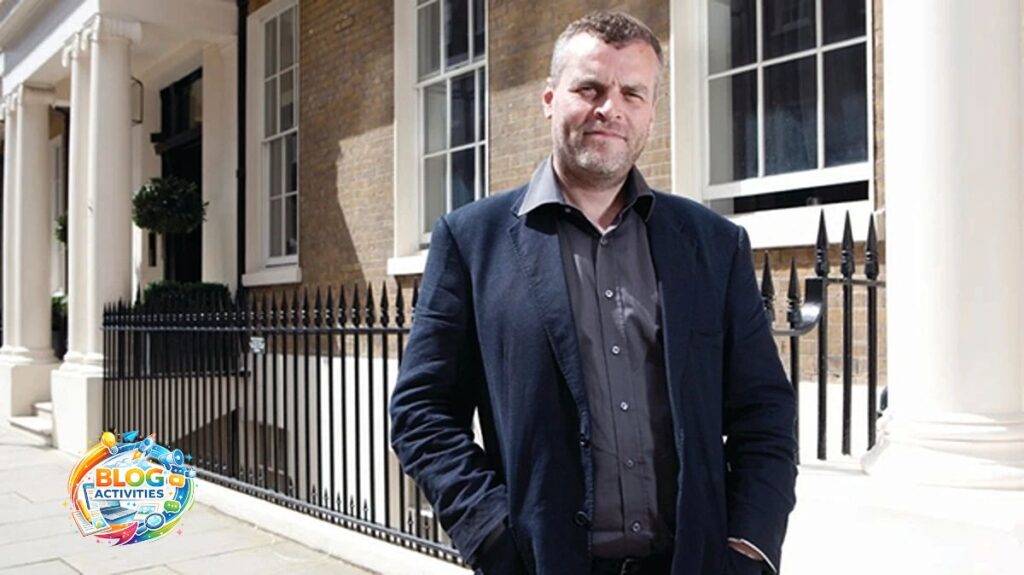
The COVID-19 pandemic changed daily life for millions. For someone accustomed to regular interaction, travel, and the buzz of political events, the sudden isolation hit hard. Montgomerie has spoken openly about how living alone during this period intensified feelings of loneliness and low mood.
In one interview, he described reaching “some dark places” and questioning the point of it all at times. These were not passing feelings but periods where the weight of isolation combined with the general uncertainty of the time. Many people experienced similar emotions during lockdowns, but for public figures, admitting it can feel particularly exposing.
Montgomerie’s willingness to discuss these experiences stands out because mental health conversations in political and media circles were not always common. His accounts highlight how even those who appear resilient on the outside can struggle when routines and social connections disappear.
Seeking Help: Counselling, Medication, and Support
Like many facing mental health difficulties, Montgomerie tried different approaches. He explored counselling but found it did not provide the relief he needed at that stage. Eventually, under medical guidance, he turned to short-term antidepressant medication.
He later reflected that the medicine helped him get through a difficult patch but also “flattened” him emotionally and reduced his usual enthusiasm. This led him to stop relying on it long-term, preferring to find other ways forward. His experience echoes what many people report — medication can be a useful tool for some, but it is rarely a complete solution on its own.
What made a real difference, by his own account, was human connection. Friends who checked in and refused to accept the standard British “I’m fine” response played an important part. One friendship in particular stood out.
The Role of Sir David Amess
In October 2021, the murder of Conservative MP Sir David Amess shocked the country. In the days that followed, Montgomerie appeared on BBC Radio 5 Live and became emotional while paying tribute to his friend. He revealed that one of their last conversations had been deeply personal.
David Amess had called and pressed him about how he was really doing. When Montgomerie gave the usual polite reply, Amess persisted, saying he knew things were not right. The MP offered jokes to lift his spirits and, toward the end of the call, made a heartfelt promise of support: if things ever got darker, Montgomerie should call him anytime.
Montgomerie promised he would. The loss of such a caring friend clearly affected him, but the memory of that kindness also underscored the value of reaching out and being there for others. In a world where people often hesitate to show vulnerability, Amess’s straightforward compassion left a lasting impression.
Distinguishing Facts from Rumors
Online discussions about Tim Montgomerie health problems sometimes include unverified claims of serious physical conditions such as strokes, cancer, or neurological issues. However, there is no credible public evidence or statement from Montgomerie confirming any such diagnoses. Reputable reporting consistently points to his disclosures focusing on mental health challenges linked to the lockdown period and the pressures of public life.
This gap between rumor and reality is common when public figures step back or appear less frequently. Speculation fills the silence, but Montgomerie’s own words provide the clearest picture. He has continued working as a commentator, broadcaster, and writer, showing that while the struggles were real, they have not defined his later career.
As of recent years, he remains active in political debate, including through podcasts and media appearances. His journey illustrates that mental health difficulties do not necessarily end a career but can become part of a story of resilience.
Life Beyond the Difficult Period
Montgomerie has noted that he is “getting more and more on top of” the challenges he faced, even if he does not feel quite as strong as before. This honest assessment resonates with many who have gone through similar periods — recovery is often gradual and not always linear.
His Christian faith appears to have offered additional grounding. Throughout his career, faith has influenced his views on social justice and personal values. In tough times, many people draw strength from beliefs, community, or spiritual practices, and Montgomerie seems to be no exception.
Politically, his decision to join Reform UK in 2024 showed continued engagement with big issues. Defections and shifts in allegiance can be stressful, yet he has handled recent years with visible commitment to his principles.
Why His Story Matters
Montgomerie’s openness contributes to a wider cultural shift. For too long, mental health was treated as something to hide, particularly among men in high-pressure fields like politics and journalism. By speaking about his experiences, he helps normalize the conversation and shows that seeking help is a sign of strength, not weakness.
His story also highlights practical points: the importance of checking on friends beyond surface-level greetings, the mixed effects of medication, and the healing power of genuine relationships. In an era of constant digital connection, real human support can make all the difference.
For anyone reading this who is going through their own difficulties, the message is clear — you are not alone, and it is okay to ask for help. In the UK, resources such as Samaritans (116 123) or NHS mental health services are available for confidential support.
Looking Ahead with Perspective
Tim Montgomerie’s public reflections on mental health came at a time when the whole country was reassessing priorities after the pandemic. His experiences remind us that even dedicated, high-achieving individuals face internal battles. The fact that he continues to contribute thoughtfully to national conversations speaks to his recovery and determination.
There is no single formula for dealing with mental health struggles. What works varies from person to person — therapy, medication, faith, friendship, lifestyle changes, or a combination. Montgomerie’s path included several of these elements, and he has been candid about what helped and what had limitations.
In sharing parts of his story, he has added a human dimension to the often impersonal world of political commentary. Tim Montgomerie health problems, as discussed publicly, centre on a period of mental health difficulty that many can empathize with. His willingness to talk about it without seeking sympathy offers quiet encouragement to others.
Mental health is an ongoing journey for most people, not a one-time event. Montgomerie’s example suggests that with time, support, and self-awareness, it is possible to move forward while carrying the lessons learned. His continued presence in public life stands as a positive sign that difficulties need not have the final word.
Schoology Alfa Login Problems? Quick Fixes That Actually Work
FAQs
What mental health issues has Tim Montgomerie discussed publicly?
Tim Montgomerie has spoken openly about struggling with isolation, low mood, and “dark places” during the COVID-19 lockdowns. He described living alone as particularly difficult and shared how these challenges affected his emotional wellbeing.
Did Tim Montgomerie have any serious physical health problems?
There are no verified public reports or statements confirming serious physical illnesses such as cancer, stroke, or Parkinson’s. Discussions around Tim Montgomerie health problems mainly refer to his mental health struggles during the pandemic.
How did Sir David Amess support Tim Montgomerie?
In one of their final conversations, the late MP checked in on Montgomerie, offered humour to lift his spirits, and encouraged him to call if things got darker. Montgomerie has warmly remembered this kindness since Amess’s death.
What helped Tim Montgomerie with his mental health challenges?
He tried counselling and short-term medication, but found genuine friendships, time, and personal resilience most valuable. He has said he is gradually getting back on top of things while continuing his work in politics and commentary.
Is Tim Montgomerie still active in public life?
Yes. Despite the difficulties he faced, Montgomerie remains an active political commentator, broadcaster, and writer. He joined Reform UK in late 2024 and continues to share his views on current affairs.